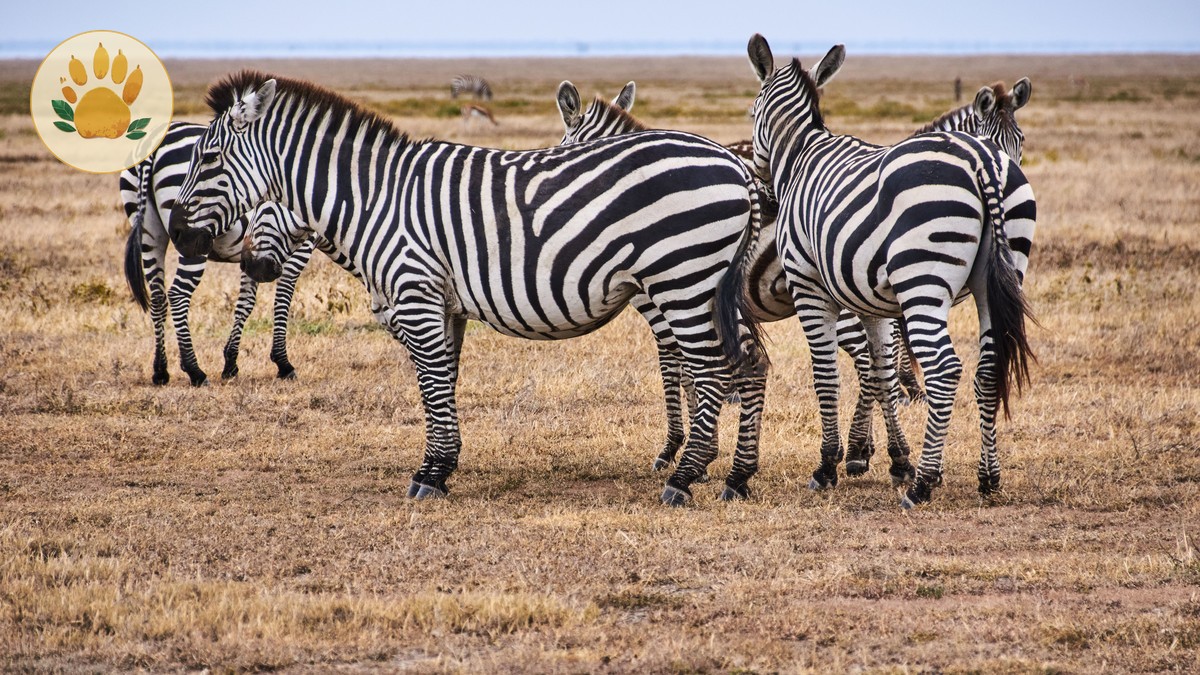
If you have already done the Masai Mara, Samburu National Reserve feels like a different country. The landscape is drier, the animals are different, and the crowds thin out fast once you cross the equator. Finding the best time to visit Samburu National Reserve still matters. Here is what actually changes month to month, with real numbers instead of vague seasonal advice.
The Dry Seasons: June to October and December to March
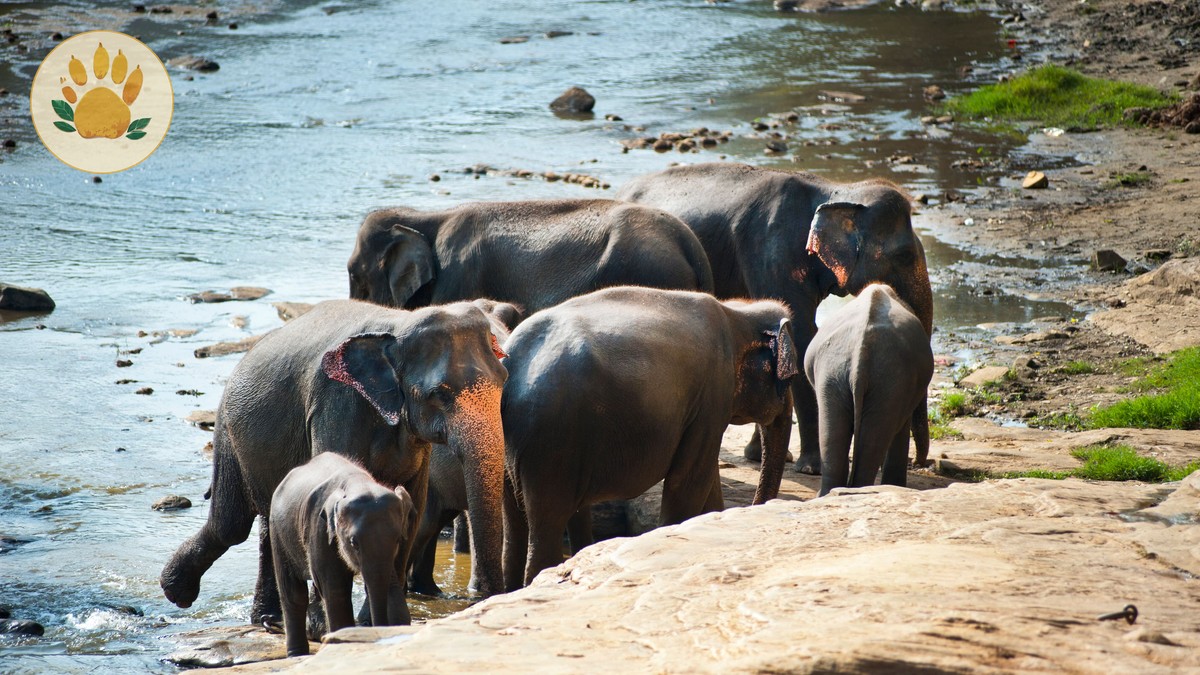
Samburu’s best game viewing happens in its two dry stretches: June through October, and December through March. Rain stops, vegetation thins, and wildlife pulls toward the Ewaso Nyiro River, the reserve’s only reliable water source. Elephants, Grevy’s zebra, and predators all concentrate along its banks, often within sight of the main lodges.
July through September is the busiest window, partly because it overlaps with the Mara’s wildebeest migration and travelers combine both in one trip. Roads stay firm, game drives run without delay, and visibility across the acacia scrub is at its clearest. December to March is quieter but nearly as reliable, with short, isolated showers that rarely disrupt a day’s plans.
The trade-off is cost and company. Camps fill up, rates rise, and you will share riverside sightings with more vehicles than in the shoulder months. For a first Samburu trip, though, this is still the safest bet for consistent sightings.
The Long Rains: April and May
April and May bring Samburu’s heaviest rain, usually 60 to 100mm a month, concentrated in short afternoon downpours rather than all-day soakers. Tracks can turn to mud, and some lodges close for maintenance during the wettest weeks. Wildlife scatters away from the river since water and grazing appear everywhere.
This is the low season, and it shows in the rates. Several camps drop prices by 30 to 40 percent from peak. If you already know Samburu, or you are chasing green-season photography and newborn animals rather than guaranteed sightings, it is worth considering. First-time visitors should probably wait for drier ground.
The Short Rains: November
November sits in between. Rain totals are lower than the long rains, typically 40 to 70mm, and showers tend to pass quickly. Crowds drop, rates soften, and the bush turns green almost overnight. The catch is that wildlife spreads out just as it does in April and May. Sightings of the Special Five take more patience and more driving.
It is a reasonable month for a repeat visitor who wants space and lower prices. It does mean working a little harder for the big sightings. For a full breakdown of the trade-offs, see our guide on whether November’s short rains are worth it.
Best Time to Visit Samburu National Reserve: Month-by-Month Ratings
| Month | Typical Rainfall | Game Viewing | Crowd Level |
|---|---|---|---|
| January | Low | Very good | High |
| February | Very low | Excellent | High |
| March | Low, rising | Good | Moderate |
| April | Heavy (long rains) | Fair | Low |
| May | Heavy (long rains) | Fair | Low |
| June | Low | Very good | Moderate |
| July | Very low | Excellent | Very high |
| August | Very low | Excellent | Very high |
| September | Very low | Excellent | High |
| October | Low, rising | Very good | Moderate |
| November | Moderate (short rains) | Good | Low |
| December | Low | Very good | Moderate to high |
Weather and Temperatures
Samburu sits at a lower, hotter elevation than the Mara or the Aberdares, around 800 to 1,000 meters. Daytime highs run 30 to 34°C for most of the year, with the hottest stretch in January through March. Nights cool to a comfortable 16 to 20°C, cold enough for a fleece on early morning drives. Even in the rainy months, daytime temperatures rarely drop below 26°C.
Peak, Shoulder, and Low Season Pricing
Rates move more than most first-time visitors expect. Here is how three well-known Samburu properties typically shift across the year, in indicative per-person, per-night rates for a double room, full board:
| Camp | Peak (Jul-Oct, Dec-Mar) | Shoulder (Jun, Nov) | Low (Apr-May) |
|---|---|---|---|
| Elephant Bedroom Camp | USD 650-750 | USD 500-600 | USD 420-480 |
| Saruni Samburu | USD 700-800 | USD 550-650 | USD 450-520 |
| Samburu Sopa Lodge | USD 300-350 | USD 240-280 | USD 180-220 |
These figures are indicative ranges rather than fixed prices, since camps adjust rates yearly. Park and conservancy entry fees also shift with demand. It is worth checking how KWS park fees change by season before you budget a trip. Low-season discounts sometimes apply at the gate as well as at the lodge.
Compared with the Masai Mara, Samburu runs noticeably less crowded even at its own peak. Vehicle numbers at a river sighting rarely exceed four or five, against the dozens you can meet at a Mara cat sighting in August.
Best Time for Birdwatching
Birders should lean toward the wet months. Migratory species arrive alongside the long and short rains, and resident birds are in breeding plumage from March through May. Over 350 species have been recorded in Samburu, including the Somali ostrich, Vulturine guineafowl, and the golden-breasted starling. November and April, despite being weaker for mammal sightings, are strong months for a dedicated birding itinerary.
Best Time to See the Samburu Special Five
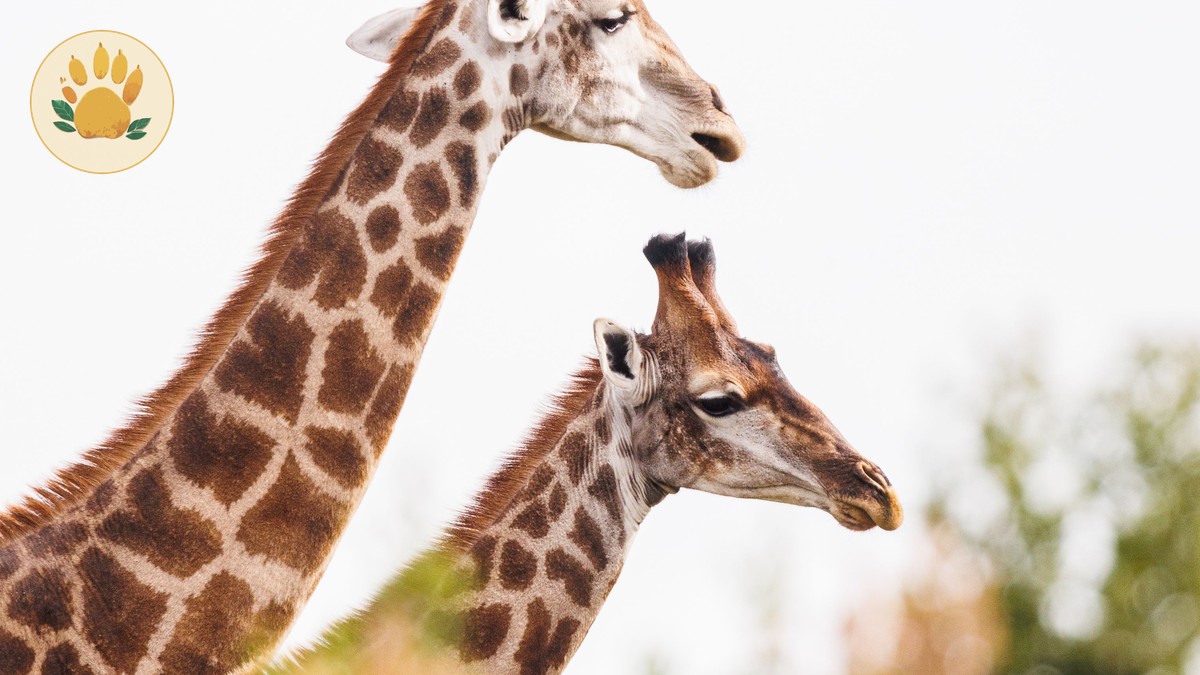
Samburu’s dry-country specialists, Grevy’s zebra, reticulated giraffe, gerenuk, beisa oryx, and Somali ostrich, are visible year-round. They are easiest to find from June to March, when they gather near the river with everything else. For tips on locating each species and reading their habits, see our guide to spotting the Samburu Special Five. During the rains, they disperse into the drier plains east of the reserve, which makes sightings slower but still possible with a patient guide.
How Many Days, and How Samburu Compares
Three nights is the practical minimum to see the river circuit and the Special Five. Add at least one excursion into the Kalama or Westgate conservancies bordering the reserve. Four nights allows a slower pace and a side trip toward the Mathews Range or Shaba National Reserve. Both are worth it for a repeat visitor who has already covered the obvious ground.
Buffalo Springs, across the river from Samburu proper, follows the same seasonal pattern but sees noticeably fewer vehicles, even in August. It makes a good half-day add-on rather than a separate base. Against the Masai Mara, Samburu is consistently quieter, roughly a third of the crowd density. It does not offer the same volume or diversity of wildlife that the Mara delivers during migration months.
Getting there: Samburu sits about 325km north of Nairobi, a five to six hour drive via Nanyuki and Isiolo. Scheduled flights from Wilson Airport to the Samburu or Buffalo Springs airstrips take about 60 to 75 minutes and run daily year-round.
What to Pack
Pack for heat and dust rather than cold. Lightweight, neutral-colored clothing works for game drives, with a light jacket for early mornings between June and September, when temperatures dip lowest overnight. Bring a wide-brimmed hat, high-SPF sunscreen, and a reusable water bottle, since daytime heat is constant regardless of season. During April, May, and November, pack a light rain shell and closed shoes, since paths and camp walkways can turn muddy.
The SafariPure Difference
Generic seasonal calendars tell you dry is good and wet is bad, then stop. We would rather tell you what that actually costs and what it actually gets you. A November trip to Samburu might save 200 dollars a night per person. It can also cut the vehicle count at a sighting in half, at the cost of working harder to find the Special Five. A July trip guarantees sightings but puts you alongside the season’s biggest crowds and its highest rates. Neither choice is wrong. We plan around which trade-off suits you, not around a one-size-fits-all recommendation.
Plan Your Samburu Safari
If you already know the Mara, you are ready for Samburu’s drier, quieter rhythm. We can help you choose the right month for what you actually want. That might mean guaranteed sightings, lower rates, or fewer vehicles at the river. Explore our Samburu safari itineraries or get in touch to start planning.